More Than a Trail: The Swannanoa Greenway Could Guide the Valley’s Future
Most people think of a greenway as a place to walk, run, or ride a bike. But in Swannanoa, a proposed greenway is becoming something much bigger.
That idea came into focus during a recent episode of the Exploration Local podcast, where host Mike Andress spoke with Bradley Spiegel, community planner at Equinox, and Carol Groben of Friends and Neighbors of Swannanoa about the evolving vision for the proposed Swannanoa Greenway.

In the wake of Hurricane Helene, community leaders, planners, and residents are reimagining the Swannanoa Greenway as more than a recreational trail.
They’re exploring how it could help reconnect neighborhoods, restore the river corridor, support local businesses, and build a more resilient community for generations to come.
Still in the planning stages, the proposed greenway represents an opportunity to think differently about how communities rebuild after disasters, and how trails can play a role in creating stronger, healthier places to live.
From Greenway Vision to Resilience Corridor
A feasibility study completed in 2010 identified the Swannanoa River corridor as an ideal area for future greenway development. The original vision followed the most common idea of a greenway by focusing on recreation, transportation, and fostering community.
Hurricane Helene fundamentally changed the conversation. The storm dramatically altered the landscape of the valley, damaging homes, businesses, parks, and public infrastructure. It also highlighted the importance of understanding how rivers function, and how communities can work with those natural systems to better prepare for future storms.
Rather than simply replacing what was lost, the community began asking how recovery could create something stronger than what existed before.
Supporting the river corridor could help flood mitigation, ecological restoration, and long-term stability of the landscape, while still providing opportunities for walking, biking, and outdoor recreation.
Working With Nature
One of the key themes with the greenway is the idea that rivers need room to work.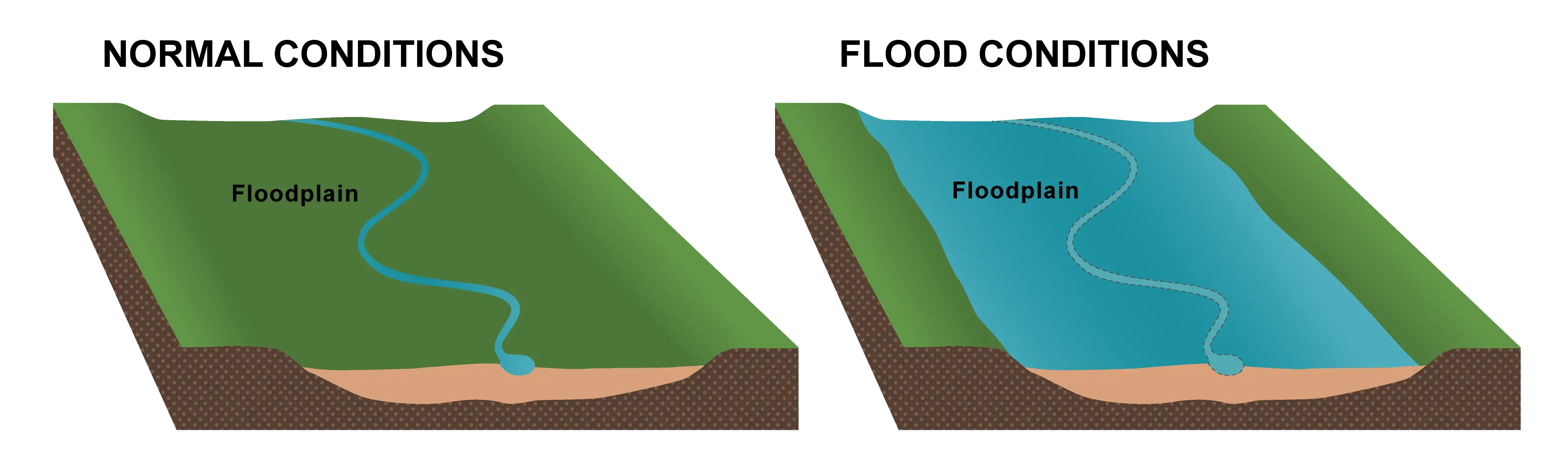
During major storms, floodplains and river corridors help absorb and slow floodwaters. When those natural systems are limited by development, flood impacts can become more severe, more quickly.
Rather than simply rebuilding what existed before, planners are asking a different question: How can the landscape itself become part of the solution?
Healthy river corridors and connected floodplains give water room to spread during major storm events. Restoring those natural systems can help reduce erosion, improve water quality, create wildlife habitat, and make communities more resilient over time.
A greenway doesn’t replace flood protection infrastructure, but it can become one piece of a broader strategy that works with nature instead of against it.
Connecting Communities
The proposed seven-mile corridor would connect neighborhoods, schools, parks, businesses, and community gathering spaces throughout the growing Swannanoa river valley.
For residents, visitors, and businesses, those connections matter.
Greenways create opportunities for people to safely walk, bike, and access destinations without getting in a car. Communities across North Carolina have demonstrated that greenways encourage visitors to spend more time—and money—at local businesses. Whether it’s stopping for coffee after a morning walk, grabbing lunch after a bike ride, or exploring nearby shops, trails help support local economies while improving quality of life. They also encourage people to be more active by making outdoor recreation part of everyday life.
Just as importantly, they create spaces where people can gather, recreate, and experience their community in new ways.
North Carolina has already seen the transformative impact greenways and trails can have across the state. The Neuse River Greenway in Raleigh has become one of the state’s premier urban trail systems. The Carolina Thread Trail is expanding connections across 15 counties in the Charlotte region, while the River to Sea Bikeway and growing trail network in Wilmington are making it easier for residents and visitors to experience the Cape Fear coast. In Fayetteville, the Cape Fear River Trail connects people with nature just minutes from downtown, and in the Western part of the state the Ecusta Trail is creating new opportunities for outdoor recreation and economic development across Henderson and Transylvania counties.
Looking Toward the Future
The Greenway is also part of a broader vision for Swannanoa’s future.
Across North Carolina, trails are increasingly serving multiple purposes: connecting neighborhoods, supporting local businesses, improving public health, protecting natural resources, and creating transportation options.
And, in places like Swannanoa, they’re becoming part of a larger conversation about resilience and recovery.

That’s what makes the proposed Swannanoa Greenway so compelling. Planners and community leaders are exploring how the Greenway could help support
local businesses while creating public spaces that celebrate the valley’s natural beauty and unique identity.
The project remains in the feasibility and planning stage, but the vision, and the goals, are strong. The effort also brings together partners including Connect Buncombe, RiverLink, local governments, nonprofit organizations, and community members working toward a shared vision for the Swannanoa Valley.
As North Carolina continues investing in trails across the state, projects like the Swannanoa Greenway demonstrate that trails can do far more than connect destinations. They can reconnect communities, strengthen local economies, restore natural landscapes, and help shape a more resilient future. Similar conversations are happening across the state, including in eastern North Carolina, where initiatives like the Lumberton Loop are integrating flood mitigation, ecological restoration, and recreation into a shared vision for community resilience. In Swannanoa, that vision is already helping guide what comes next.
To hear the full conversation with Bradley Spiegel and Carol Groben, listen to the June 10 episode of the Exploration Local podcast, “The Swannanoa Greenway: More Than a Trail.”